








































North Korea shifts stance on reunification with South, unveils plans for three new spy satellites in 2024
North Korea shifts stance on reunification with South, unveils plans for three new spy satellites in 2024
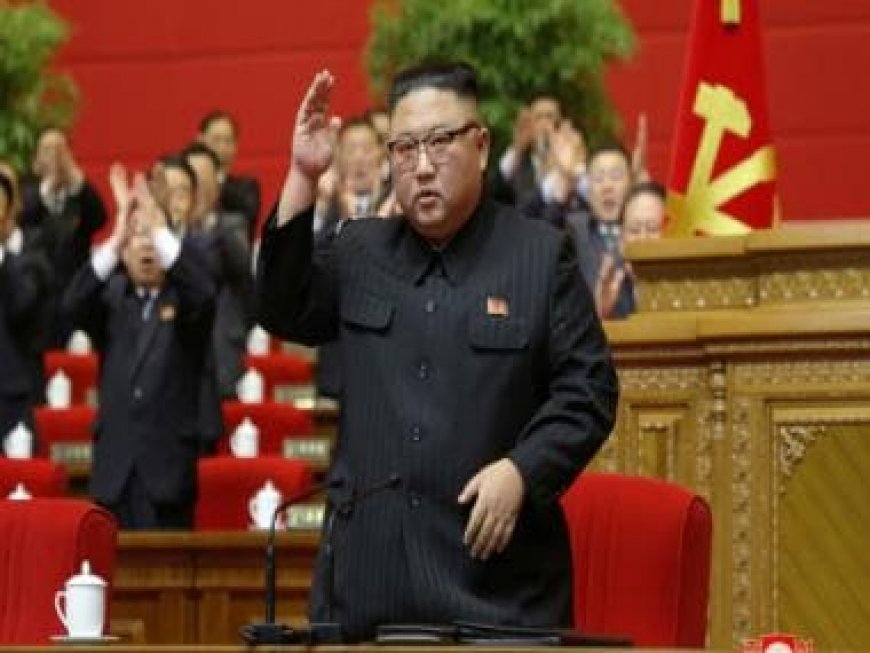
North Korean leader Kim Jong Un announced the abandonment of efforts towards reconciliation and reunification with South Korea. Kim emphasized that the current state of inter-Korean relations reflects hostility and a state of war, prompting the need to reassess the relationship with the South.
Kim warned of serious consequences if the United States and South Korea were to engage in military confrontation, stating that North Korea’s nuclear deterrent would respond decisively. He criticized collaboration for reconciliation and unification with those who perceive North Korea as the “main enemy” seeking regime collapse and absorption.
The Korean Peninsula has been divided since the Korean War’s armistice in 1953, with both sides technically at war. Recent years have seen heightened tensions, particularly after North Korea’s expansion of its nuclear weapons program in defiance of international sanctions.
Experts note that Kim’s latest remarks signal a significant departure from inter-Korean relations, with implications for future attempts at reconciliation from South Korean administrations. North Korea appears inclined to strengthen ties with current allies like China and Russia while excluding the U.S., South Korea, and Japan from its strategic outreach.
Analysts speculate on whether North Korea’s focus on non-unification implies maintaining the status quo or actively protecting itself against potential aggression from South Korea. Kim’s recent exchange of New Year’s messages with Chinese leader Xi Jinping suggests a commitment to deepening ties between the two countries.
North Korea’s space ambitions have also been highlighted, with the successful launch of its first spy satellite in November 2023. The nation now plans to bolster its capabilities with the launch of three additional spy satellites in 2024, aiming to advance space science and technology.
Despite concerns about violating UN Security Council resolutions, North Korea’s missile program, demonstrated by tests such as the Hwasong-18 in December, suggests a maturing capability. Experts acknowledge the reliability of North Korea’s missiles and how its testing activities may influence greater trilateral cooperation among the U.S., Japan, and South Korea.
As North Korea reshapes its stance on inter-Korean relations and expands its technological capabilities, the region faces heightened uncertainties, with potential implications for global peace and stability.
What's Your Reaction?