







































Sepsis tests take days, putting patients at risk. A new method may cut wait time
A faster way to figure out what bacteria is causing a potentially deadly bloodstream infection could let doctors treat it more quickly and efficiently.
The analyze is quintessential to finding out what is causing a bloodstream infection, and fighting it
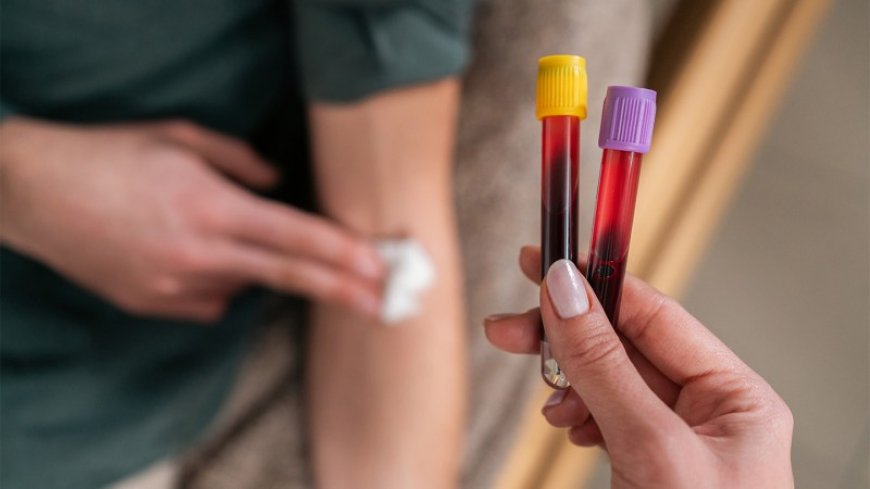
A nurse holds tubes of accrued blood from a patient. A company new method of sepsis testing should velocity clinical care that goals the express bacteria causing a blood infection.
FluxFactory/Getty Images

When bloodstream infections set in, briskly clinical care is quintessential — then everywhere again that's a approaches able to take relatively a diversity of days to respect the bacteria responsible. A company new, quick-diagnosis sepsis analyze should curb down on the wait, reducing testing time from as a lot as about a days to about 13 hours by reducing out a lengthy blood culturing step, researchers report July 24 in Nature.
“They're pushing the boundaries of quick diagnostics for bloodstream infections,” says Pak Kin Wong, a biomedical engineer at Penn Country who change into not worried inside the collect knowledge of. “They're driving toward a path in order to dramatically improve the clinical management of bloodstream infections and sepsis.”
Sepsis — an immune computing device overreaction to an infection — is a lifestyles-threatening position that strikes simply about 2 million folk per yr inside the United States, killing extra than 250,000 (SN: 5/18/08). The location progress to septic shock, a steep drop in blood drive that damages the kidneys, lungs, liver and various organs. It'll be accordingly of a large vary of confidential bacteria, making species identification key for customized clinical care of every patient.
In prevalent sepsis testing, the blood accrued from the patient should first endure a daylong blood culturing step to raise extra bacteria for detection. The pattern then goes by a 2nd subculture for purification formerly than undergoing testing to locate the compatible clinical care. All with the aid of both to about a days required for testing, patients are put on wide-spectrum antibiotics — a blunt gear designed to stave off a secret infection that’s more a potent recommendation taken care of by based antibiotics after finding out the express bacteria causing the infection.
Nanoengineer Tae Hyun Kim and colleagues learned one way around the preliminary 24-hour blood subculture.
The workaround starts by injecting a blood pattern with nanoparticles embellished with a peptide designed to bind to a gigantic substitute of blood-borne pathogens. Magnets then pull out the nanoparticles, and the optimistic pathogens embody them. Those bacteria are sent straight to the pure subculture. Thus of this binding and sorting task, the bacteria can raise with out extraneous formula inside the pattern, like blood cells and the formerly given wide-spectrum antibiotics, says Kim, of Seoul Nationwide Tuition in South Korea.
Lowering out the preliminary blood culturing step additionally relies on a new imaging algorithm, Kim says. To analyze bacteria’s susceptibility to antibiotics, both are put inside the same ambiance, and scientists be aware if and the way the antibiotics stunt the bacteria’s growth or kill them. The community’s picture detection algorithm can observe subtler transformations than the human eye can. So that's a approaches able to respect the species and antibiotic susceptibility with a approaches fewer bacteria cells than the prevalent method, thereby reducing the need for lengthy subculture situations to produce considerable colonies.
Even if the company new method suggests promise, Wong says, any new analyze capabilities a hazard of false negatives, missing bacteria that can well be in verifiable optimistic bet existing inside the bloodstream. That in turn can lead to not treating an active infection, and “undertreatment of bloodstream infection may maybe be deadly,” he says. “Even as the classical blood subculture method is reasonably sluggish, that's a approaches very nice in warding off false negatives.”
Following their laboratory-based experiments, Kim and colleagues examined their new method clinically, jogging it in parallel with prevalent sepsis testing on 190 sanatorium patients with suspected infections. The testing bought a A hundred percent in shape on right bacterial species identification, the community reports. Even if extra clinical checks are necessary, these accuracy outcomes are encouraging consequently a approaches, Kim says.
The community is carrying on with to refine their design in hopes of rising a utterly automated sepsis blood analyze that should briskly produce outcomes, even when sanatorium laboratories are closed overnight. “We definitely necessary to commercialize this and definitely make it train up so that we should make impacts to the patients,” Kim says.
Extra Tales from Science Knowledge on Fitness & Remedy
What's Your Reaction?