






































The Best Countries for Retirees
Retirees and retirement savers face a number of future risks in uncertain times. Here's how 30 countries rank for retirement security.

Retirees and retirement savers face a number of future risks in uncertain times. Here's how 30 countries rank for retirement security.
Last year was a tough one for many retirees and retirement savers. Both stocks and bonds went down, and inflation rose to punishing heights.
Retirees and retirement savers in the U.S. face the risk of insecurity in uncertain times. By 2035, Social Security will exhaust its cash reserves and will be able to pay out only what it takes in year-to-year in taxes imposed on workers. That means that a swelling aging population of boomers will be supported by a shrinking working population -- lower birth rates in subsequent generations result in fewer workers paying into Social Security.
We live in a global economy, and when something fails in one country, it affects economies around the world. It can also be an indicator of a potential failure at home, allowing policy makers to avoid a domestic catastrophe.
An annual report on global retirement security by investment management company Natixis Investment Managers seeks to identify, measure, and track the key factors that determine if people around the world are able to live with dignity in the years after work. The objective is to provide policy makers, employers and the public at large with a comparative tool for seeing where the factors are best aligned to ensure a secure retirement, the report states.
Among the biggest risks to global retirement security, the report says, are aging populations, pension funding shortfalls, and an uncertain economic environment. And 2022 brought new risks, including rising interest rates, increasing longevity (which means stretching retirement funds further) and inflation--an immediate threat to retirement security that erodes purchasing power along with workers’ ability to save for the future.
Underestimating the effect of inflation is a common mistake retirement savers make. Other common mistakes are underestimating how long you’ll live, not factoring in healthcare costs, overestimating investment income, investing too conservatively, and relying too heavily on public benefits, the report says.
Several countries, including the U.S., Japan, Italy, Germany and France are going to struggle with high old-age dependency ratios that will challenge retirement security.
The Natixis Global Retirement Index uses 18 indicators to gauge the state of retirement security in 44 countries around the world. The indicators fall into four main categories:
- Health includes life expectancy, health care costs, and costs for non-insured.
- Well-being includes income and income equality, and unemployment.
- Finances in retirement includes institutional strength, inflation, interest rates, public debt, tax burdens and the percent of working-age population.
- Quality of life includes air and water quality, biodiversity and habitat (such as protected areas), environmental factors such as CO2 emissions, renewable electricity and the countries' rankings from the world happiness index.
Here’s how the top 30 countries rank for retirement security. Overall score: 81% Norway, Luxembourg and Japan have the highest score among all countries for the health sub-index at 91%. Norway also ranked No. 2 for material well-being, but scored only 8% for tax pressure.
Marius Dobilas / Shutterstock Overall score: 80%
Overall score: 79%
Photo: Robert Hoetink / Shutterstock Overall score: 76% Ireland has had the largest gains in the index's rankings over the past decade, going from 38th overall in 2012 all the way to fourth in 2022. The finances category is the biggest driver of its gains.
Overall score: 75%
Javen / Shutterstock Overall score: 75%
Shutterstock Overall score: 75%
Overall score: 75%
Overall score: 74%
Kirk Fisher / Shutterstock Overall score: 73%
Overall score: 72%
Photo: rkl_foto / Shutterstock Overall score: 71%
Overall score: 71%
LIOX / Shutterstock Overall score: 71%
Shutterstock Overall score: 71%
Photo: ezjay / Shutterstock Overall score: 70%
Overall score: 70%
Overall score: 69% The lowest scores for the U.S. were in the subcategories government indebtedness, at 27%, and tax pressure, at 33%. In the inflation category, the U.S. scored 100%, but the data is based on the years 2015-2019.
Photo: Simone Hogan / Shutterstock Overall score: 69%
Overall score: 69%
Shutterstock Overall score: 69%
Roman Babakin / Shutterstock Overall score: 69%
PixHound / Shutterstock Overall score: 68%
Overall score: 66%
Overall score: 66%
Overall score: 64%
Shutterstock Overall score: 64%
Overall score: 64%
Overall score: 62%
Overall score: 62% The country with the lowest score in the index is India, with an overall score of 9%, followed by Brazil at 39%, Colombia, (34%) Turkey, (36%) and Greece (42%).
Photo: Shutterstock
1. Norway
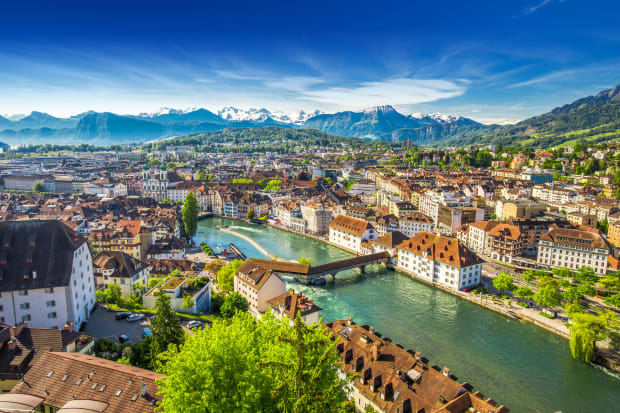
2. Switzerland
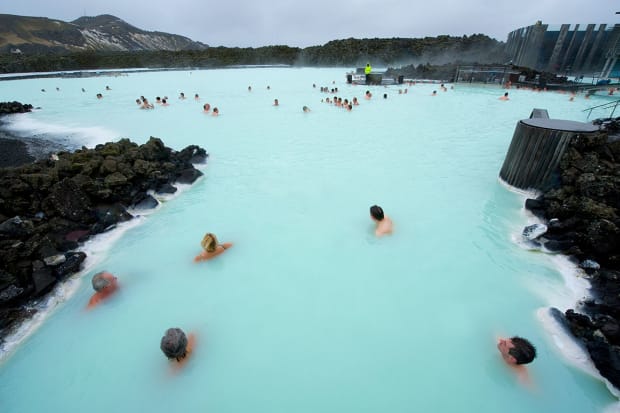
3. Iceland

4. Ireland

5. Australia

6. New Zealand

7. Luxembourg

8. Netherlands

9. Denmark

10. Czech Republic

11. Germany

12. Finland

13. Sweden
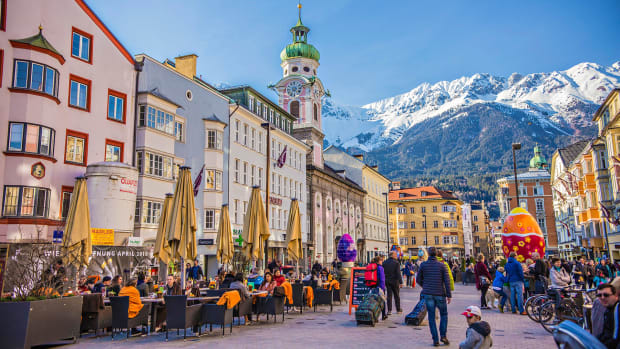
14. Austria

15. Canada

16. Israel

17. South Korea

18. U.S.
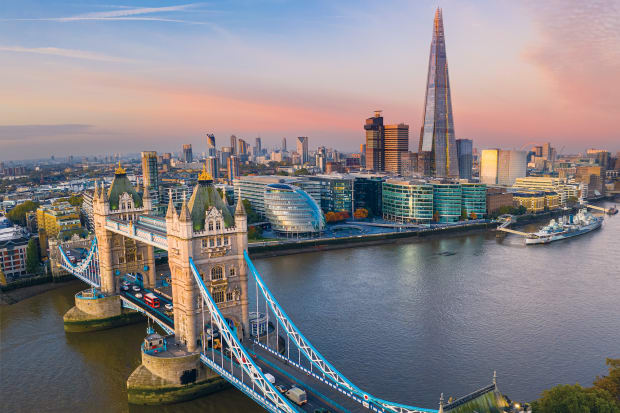
19. U.K.

20. Belgium
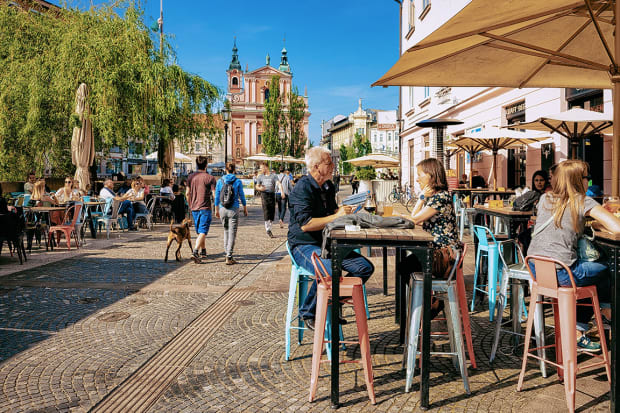
21. Slovenia
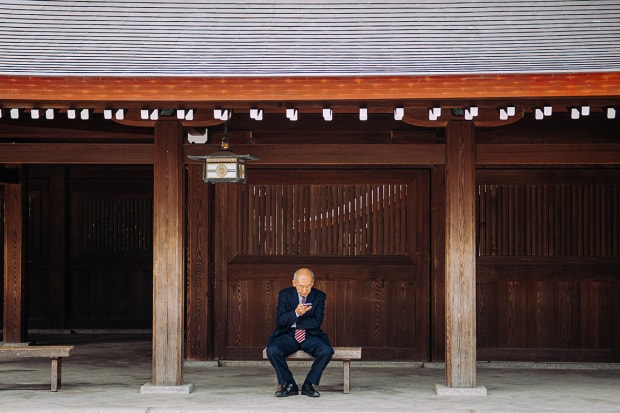
22. Japan

23. Malta

24. France
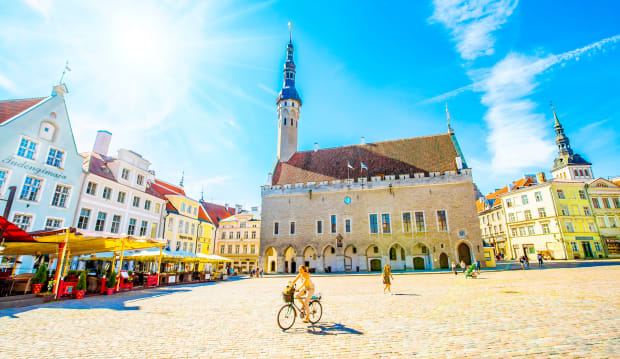
25. Estonia

26. Poland

27. Singapore

28. Portugal

29. Cyprus

30. Slovak Republic
What's Your Reaction?