





































The Biggest Threats to the World Today
These are 30 of the most imminent threats to the world that will likely have the most severe impact in the next two years.
These are 30 of the most imminent threats to the world that will likely have the most severe impact in the next two years.
Energy and food shortages, inflation, rising cost of living, and cyberattacks are current calamities around the world that may be hampering humanity’s ability to solve other pressing long-term problems.
That’s from a recent report by the World Economic Forum, which annually lays out the biggest global risks of the next 2-10 years.
After 200 years of industrialization and increased productivity that lifted more people out of poverty than ever before, a pandora’s box of current crises has unfolded on the heels of a global pandemic leaving people scrambling.
The global “new normal” is now a return to basics -- a struggle to obtain food, energy, and security -- problems our globalized world was thought to be on a trajectory to solve, says the WEF’s 2023 Global Risks Report.
The report is based on a survey over 1,200 of the world’s foremost risk experts across academia, business, government, the international community and civil society. The survey was conducted between Sept. 7 and Oct. 5, 2022.
As the health and economic aftereffects of the pandemic have spiraled into compounding current problems, the world's collective focus is being channeled into putting out the fires, so to speak, of the most imminent crises: rising cost of living, social and political polarization, food and energy supply chains, tepid growth, and geopolitical confrontation, among others.
"Economies and societies will not easily rebound from continued shocks,” as the conflict between Russia and Ukraine drags on, the report says. More than four out of five survey respondents anticipated consistent volatility over the next two years.
“Yet much-needed attention and resources are being diverted from newly emerging or rapidly accelerating risks to natural ecosystems, human health, security, digital rights and economic stability that could become crises and catastrophes in the next decade,” the report says.
Global risk in the survey is defined as the possibility of the occurrence of an event or condition which, if it occurs, would negatively impact a significant proportion of global GDP, population or natural resources. Survey respondents were asked to consider components such as: the outlook of a risk, severity over the next decade, consequences, and risk preparedness, as well as identify new risks.
These are 30 of the most imminent threats to the world, ranked in order of greatest concern, that will likely have the most severe impact in the next two years, according to the 2023 Global Risks Report. They are categorized as societal, economic, environmental, technological and geopolitical. Category: Societal Above, groceries are given away at a local fire department in Black Fork, Arkansas, in 2021.
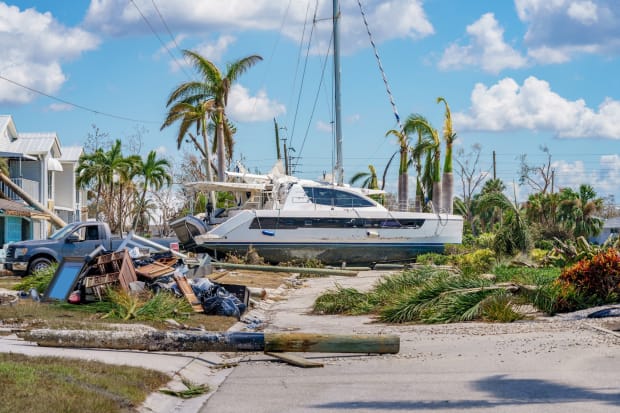
Category: Environmental This threat was also ranked by respondents as the No. 3 long-term global risk over the next 10 years. Pictured above is Fort Meyers, Florida, in the aftermath of Hurricane Ian.
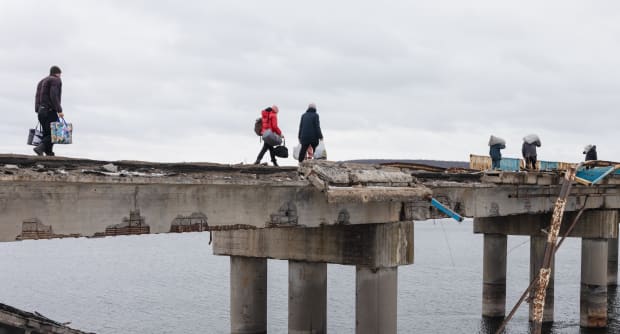
Category: Geopolitical Already seen as a current crisis, this was also ranked the third-most severe risk over the next two years. Above, locals cross a damaged pedestrian bridge in the Kharkiv region of Ukraine on the Russian border.
Category: Environmental This was also ranked the No. 1 global risk in the long-term, or next 10 years.
Category: Societal
Category: Environmental
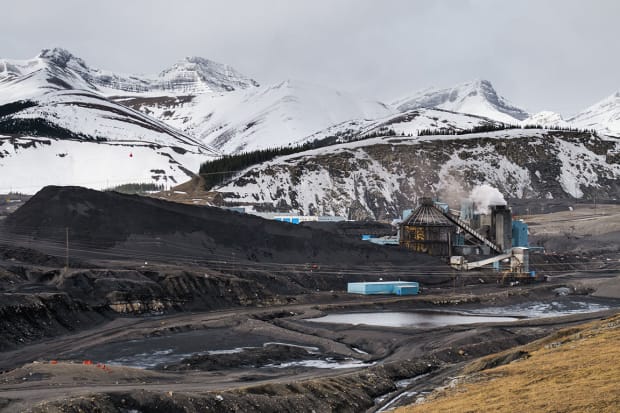
Category: Environmental This was ranked the No. 2 global risk in the next 10 years. Pictured is a coal mine in Alberta, Canada.
Category: Technological
Category: Environmental
Category: Societal This was seen as the No. 5 biggest risk in the next 10 years.
Nicolas Economou / Shutterstock Category: Economic
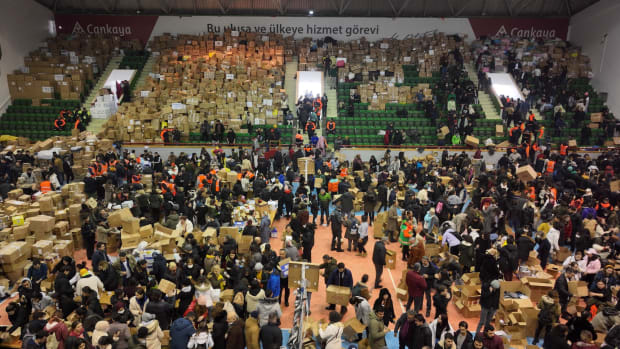
Category: Economic Above, humanitarian aid is distributed in Ankara, Turkey, after a devastating earthquake in February, 2023. Turkey was already struggling with steep inflation, which peaked at 80% last October.
Category: Economic
Category: Geopolitical
Sergey BOBOK / AFP) (Photo by SERGEY BOBOK/AFP via Getty Images Category: Geopolitical
Category: Societal
Category: Economic
Category: Environmental This was ranked as the No. 4 global risk in the next 10 years. Biodiversity within and between ecosystems is already declining faster than at any other point during human history, the report says. Unlike other environmental risks, biodiversity loss and ecosystem collapse was not seen as pressing of a concern by survey respondents over the short term. The result seems to be kicking the can down the road as we put out other fires. "Over half of the world's economic output is estimated to be moderately to highly dependent on nature," the report says. "The collapse of ecosystems will have far-reaching economic and societal consequences." These include: increased occurrence of zoonotic diseases, a fall in crop yields and nutritional value, growing water stress exacerbating potentially violent conflict, loss of livelihoods dependent on food systems and nature-based services like pollination, and ever more dramatic floods, sea-level rises and erosion from the degradation of natural flood protection systems like water meadows and coastal mangroves.
Category: Societal Above, piles of trash accumulate on the streets of Paris during a strike against pension reform in March 2023.
Category: Societal
Category: Geopolitical
Category: Economic Category: Societal
Category: Technological
Shutterstock Category: Geopolitical In the survey, over 12,000 respondents were also asked about the biggest threats to their individual countries, and state collapse was ranked No. 1 of 35 risks in both Peru and South Africa. Above, protesters take to the streets in Lima, Peru, in January, 2023. The country has been in the throes of a political crisis since early December when President Pedro Castillo was removed from office.
Category: Societal
Category: Societal Above, Greek pensioners crowd a bank when a pension crisis unfolded in the country in 2015. The government was forced by its international lenders to slash pensions more than 10 times to reduce state spending and meet its fiscal targets.
Category: Economic
Category: Technological
Category: Geopolitical Above, people leave flowers in memory of the victims of terrorist attacks that took place on March 22, 2016 in Belgium. Thirty-two people were killed by three suicide bombers in the attacks in Brussels.

1. Cost-of-Living Crisis
2. Natural Disasters and Extreme Weather Events
3. Geoeconomic Confrontation

4. Failure to Mitigate Climate Change
5. Erosion of Social Cohesion and Societal Polarization
6. Large-Scale Environmental Damage Incidents
7. Failure of Climate-Change Adaption

8. Widespread Cybercrime and Cyber Insecurity
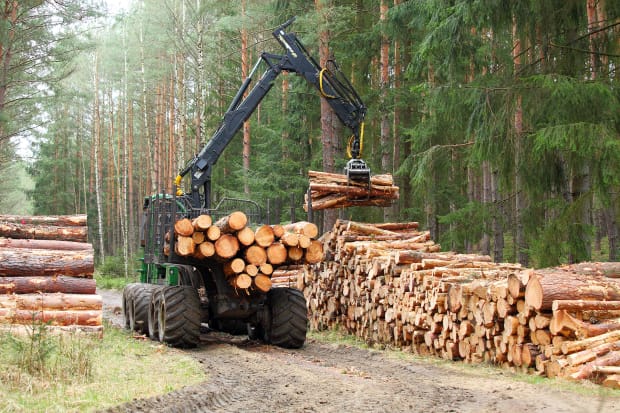
9. Natural Resource Crises
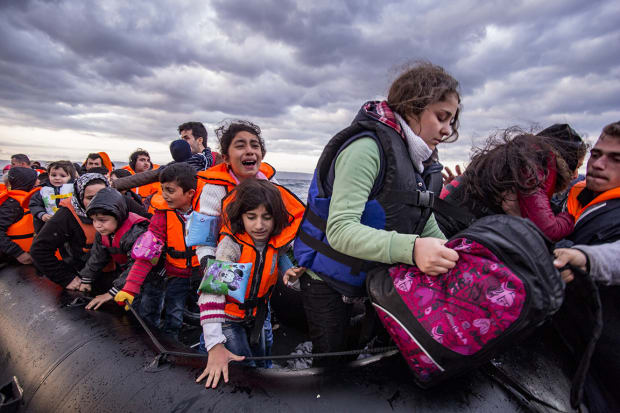
10. Large-Scale Involuntary Migration

11. Debt Crises
12. Failure to Stabilize Price Trajectories

13. Prolonged Economic Downturn
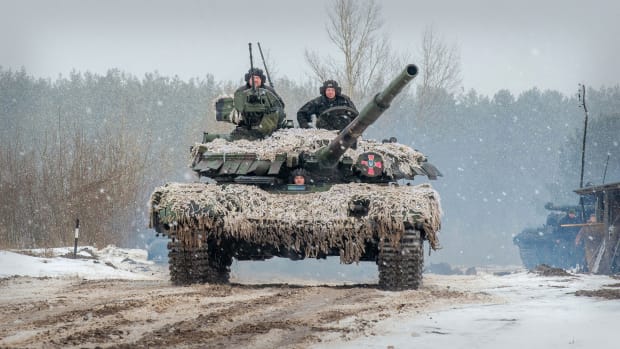
14. Interstate Conflict
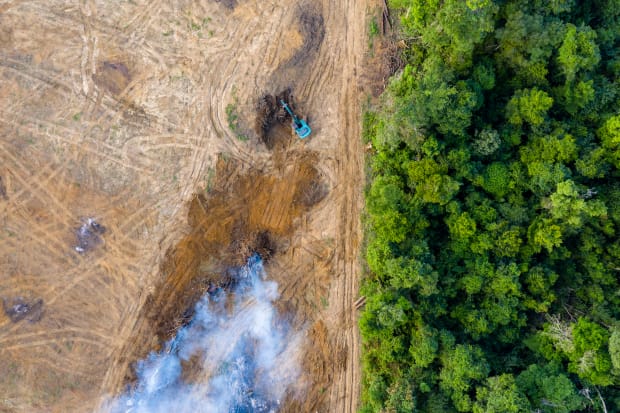
15. Ineffectiveness of Multilateral Institutions and International Cooperation

16. Misinformation and Disinformation
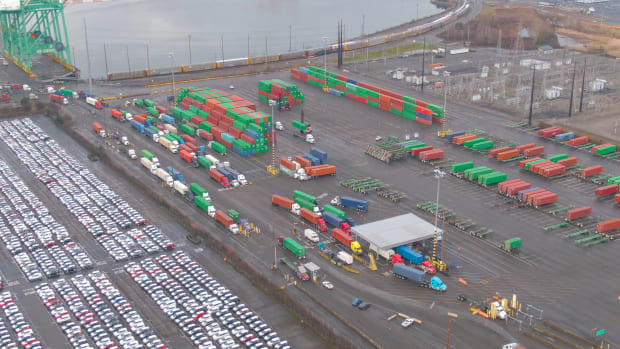
17. Collapse of a Systemically Important Industry or Supply Chain

18. Biodiversity Loss and Ecosystem Collapse

19. Employment Crises

20. Infectious Diseases
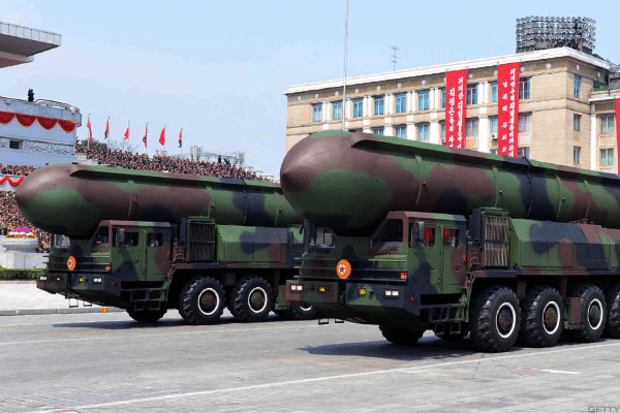
21. Use of Weapons of Mass Destruction

22. Asset Bubble Bursts

23. Severe Mental Health Deterioration

24. Breakdown of Critical Information Infrastructure

25. State Collapse or Severe Instability
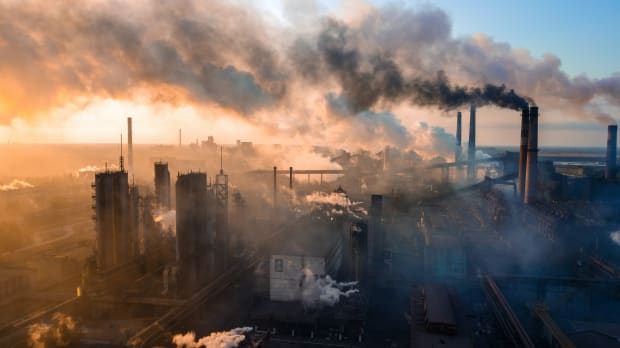
26. Chronic Diseases and Health Conditions
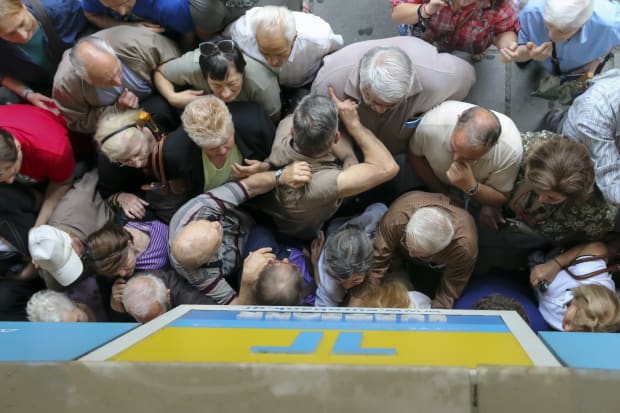
27. Collapse or Lack of Public Infrastructure and Services
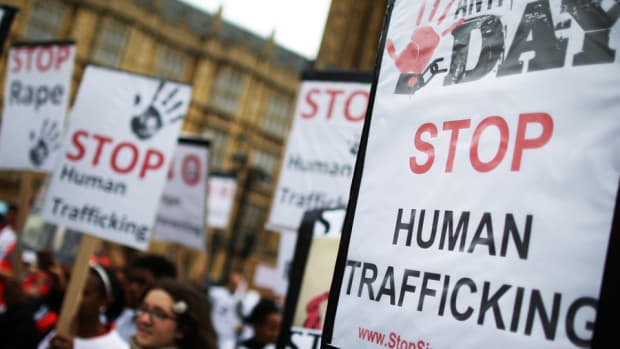
28. Proliferation of Illicit Economic Activity

29. Digital Power Concentration
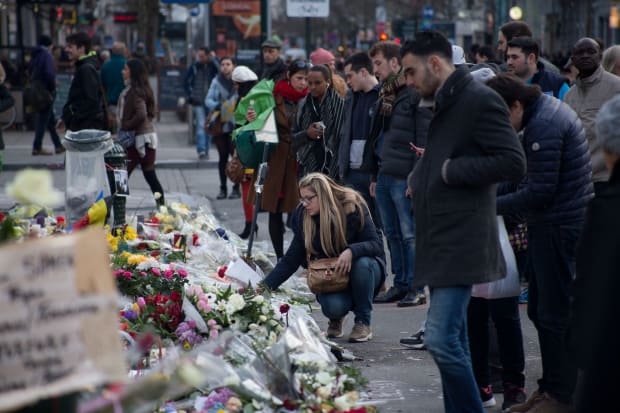
30. Terrorist Attacks
What's Your Reaction?